Evercare Hospital Doctor List Dhaka

Evercare Hospital Doctor List Dhaka

Evercare Hospital Dhaka: A Global Standard of Healthcare in Bangladesh


Located in the Bashundhara Residential Area, Evercare Hospital Dhaka stands as a landmark of medical excellence in South Asia. As a 425-bed multi-disciplinary super-specialty hospital, it has redefined the healthcare landscape of Bangladesh by becoming the first—and currently the only—medical facility in the country to receive the prestigious Joint Commission International (JCI) Accreditation. Having achieved this gold standard of safety and quality six times in a row, it serves as a beacon for patients seeking world-class treatment without traveling abroad.


A Legacy of Quality and Innovation


Originally founded in 2005 (formerly as Apollo Hospitals Dhaka), the institution was rebranded in 2020 following its acquisition by the Evercare Group, an impact-driven healthcare platform managed by TPG’s The Rise Fund. This transition brought a fresh wave of global investment, high-tech diagnostics, and a commitment to making advanced tertiary care accessible to the local population.


The hospital’s physical structure is as impressive as its clinical credentials. Spanning 435,000 square feet across an eleven-story modern facility, it was designed by the renowned Smith Group (USA) to facilitate seamless patient flow and a sterile, healing environment


Specialized Centers of Excellence


Evercare Hospital Dhaka provides a comprehensive range of medical services, but it is particularly lauded for its “Centers of Excellence,” which handle some of the most complex medical cases in the region.

Center Key Services & Highlights
Cardiac Center Performs complex CABG (bypass), valve repairs, and pediatric heart surgeries.
Neurosciences Advanced management for strokes, brain tumors, and spinal fixations.
Bone Marrow Transplant (BMT) Recently celebrated its 100th successful BMT procedure.
Critical Care Features over 100 beds across specialized units (MICU, SICU, NICU, and CCU).
Orthopedics Known for high-success joint replacements and trauma care.

Advanced Diagnostic & Surgical Capabilities


The hospital’s diagnostic wing is equipped with cutting-edge technology, including high-resolution MRI, CT scans, and a fully automated pathology lab. These facilities ensure that consultants can make evidence-based decisions rapidly—a critical factor in emergency and oncology cases. Furthermore, Evercare utilizes minimally invasive surgical techniques, such as Mechanical Thrombectomy for strokes and Laparoscopic interventions, which significantly reduce recovery times for patients.


Patient-First Philosophy


At its core, Evercare Dhaka operates on a “Patient-First” philosophy. The hospital offers various accommodation tiers, from standard wards to VIP Deluxe Suites, ensuring comfort for all demographics. Beyond medical treatment, the facility provides:

 
  • 24/7 Emergency & Ambulance Services: Including a dedicated trauma response team.


  • Tele-Consultation: Allowing patients across Bangladesh to consult with top specialists remotely.

  • International Patient Desk: Catering to the needs of foreign nationals and expatriates living in Dhaka.

Evercare Hospital Dhaka is more than just a medical facility; it is a critical component of Bangladesh’s national infrastructure. By maintaining rigorous international standards and continuously investing in medical education and technology, it has successfully reversed the trend of “medical tourism,” proving that world-class healthcare is firmly established on Bangladeshi soil.


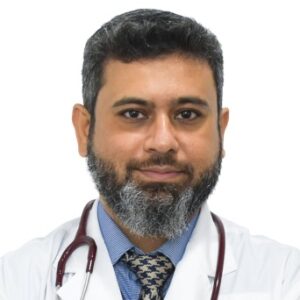
Dr. AKM Fazlul Haque

Dr. AKM Fazlul Haque

MBBS (Dhaka), FRCS (Edinburgh)Plastic, Reconstructive & Cosmetic Surgery SpecialistSenior Consultant

Dr. Ferdous Shahriar Sayed

Dr. Ferdous Shahriar Sayed

MBBS, MD (Radiotherapy)Cancer, Chemotherapy & Palliative Medicine SpecialistSenior Consultant, Medical

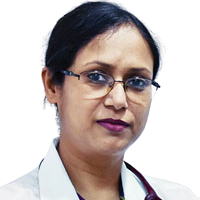
Dr. Biswajit Bhattacharjee

Dr. Biswajit Bhattacharjee

MBBS, MPhil (Radiotherapy)Cancer (Chemotherapy, Radiotherapy. Immunotherapy) SpecialistSenior Consultant, OncologyEvercare Hospital,

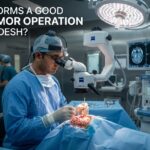
What kind of surgery does a neurosurgeon perform?

Spinal Surgery


Expert neurosurgeons in Dhaka treat complex conditions like spinal stenosis, herniated discs, and spinal cord injuries. Through a combination of open and minimally invasive surgical procedures, they aim to alleviate pain and restore functional mobility. These precise treatments are critical for protecting the nervous system and preventing further neurological decline.

Brain Tumor Surgery


Expert neurosurgeons in Dhaka treat complex conditions like spinal stenosis, herniated discs, and spinal cord injuries. Through a combination of open and minimally invasive surgical procedures, they aim to alleviate pain and restore functional mobility. These precise treatments are critical for protecting the nervous system and preventing further neurological decline.

Microscopic PLID Surgery


Microscopic PLID surgery is an advanced, minimally invasive treatment for Prolapsed Lumbar Intervertebral Discs. By utilizing high-powered operating microscopes, surgeons precisely remove damaged disc material. This modern technique effectively relieves pressure on the lower back while protecting surrounding muscles and nerves, ensuring faster recovery and minimal structural disruption.

ETV Surgery for Hydrocephalus


Endoscopic Third Ventriculostomy (ETV) is an advanced, minimally invasive treatment for hydrocephalus. By creating a small opening to bypass fluid blockages, ETV restores natural cerebrospinal fluid circulation. This innovative procedure provides a shunt-free alternative, effectively reducing intracranial pressure while minimizing the long-term complications associated with artificial implants.

Pediatric Brain Tumors


Pediatric brain tumors involve abnormal cell growth in a child’s brain, ranging from benign to malignant. Treatment and prognosis depend on the tumor’s type, size, and location. In Ludhiana, pediatric neurologists use advanced diagnostics to create tailored plans, ensuring prompt intervention to improve recovery chances and protect vital neurological development.

Spinal Fixation Surgery


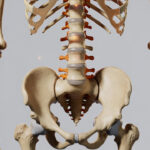
Spinal fixation stabilizes the spine by fusing vertebrae using specialized screws, rods, or cages. Typically recommended for instability caused by injury, deformity, or degeneration, this procedure corrects alignment and protects vital nerves. The primary goal is to alleviate chronic pain and restore structural integrity to the spinal column.

Surgery for Stroke – Advanced Surgical Interventions for Stroke Management


Stroke surgery encompasses a sophisticated range of procedures designed to restore cerebral blood flow, alleviate intracranial pressure, and repair compromised vasculature. As a critical medical emergency, stroke requires immediate intervention; for many patients, timely surgery is the definitive factor in saving lives, limiting permanent brain tissue death, and enhancing long-term functional recovery.


Understanding the Pathology of Stroke


A stroke occurs when the brain’s blood supply is interrupted, depriving neurons of essential oxygen and nutrients. This deprivation triggers a rapid “ischemic cascade,” where brain cells begin to die within minutes.

There are two primary classifications that dictate surgical strategy:

  1. Ischemic Stroke: Accounting for the majority of cases, this occurs when a thrombus (clot) or embolus blocks an artery leading to the brain.

  2. Hemorrhagic Stroke: This occurs when a weakened blood vessel ruptures, causing blood to leak into or around the brain tissue, creating toxic pressure.


Critical Indications for Surgical Intervention


While not every stroke patient requires the operating theater, surgery becomes the primary line of defense under specific clinical conditions:

  • Urgent Revascularization: When a large vessel occlusion prevents blood from reaching a significant portion of the brain.

  • Decompression: When brain swelling (edema) reaches a point where it threatens to crush healthy tissue against the skull.

  • Vascular Repair: When a ruptured aneurysm or arteriovenous malformation (AVM) must be sealed to prevent catastrophic re-bleeding.

  • Secondary Prevention: To stabilize narrowed carotid arteries and prevent a recurrent, potentially fatal event.


Primary Surgical Techniques


1. Mechanical Thrombectomy (For Ischemic Stroke)

This is a revolutionary, minimally invasive endovascular procedure. A neurosurgeon threads a catheter through the femoral artery up to the site of the blockage in the brain. Using a stent retriever or suction device, the surgeon physically removes the clot, immediately restoring perfusion to the oxygen-starved tissue.


2. Decompressive Craniectomy

In cases of severe swelling, the brain has no room to expand within the rigid skull. Surgeons perform a craniectomy—temporarily removing a portion of the bone—to allow the brain to swell safely outward. This life-saving measure prevents brain herniation and fatal pressure buildup.


3. Aneurysm Clipping and Endovascular Coiling (For Hemorrhagic Stroke)

To treat a ruptured vessel, surgeons may use microvascular clipping, where a tiny metal clip is placed across the neck of an aneurysm to stop the bleed. Alternatively, endovascular coiling involves filling the aneurysm with soft platinum wires to induce clotting and seal the leak from the inside.


4. Carotid Endarterectomy

For patients with significant plaque buildup in the neck arteries, surgeons perform an endarterectomy to physically “clean out” the artery. This prophylactic surgery significantly reduces the long-term risk of a future ischemic stroke.

1 Comment

Leave a Reply

Your email address will not be published. Required fields are marked *