













Comfort Diagnostic Center & Comfort Nursing Home: A Pillar of Healthcare on Green Road
Located in the bustling heart of Dhaka at 167/B, Green Road, Dhanmondi, Comfort Nursing Home and Comfort Diagnostic Center have established themselves as premier healthcare destinations in Bangladesh. Since its inception, Comfort has been synonymous with high-quality medical services, blending advanced technology with a patient-centric approach to care.
A Multidisciplinary Center of Excellence
Comfort Hospital is widely recognized for its comprehensive range of medical departments. While it functions as a full-service general hospital, it has gained a specific reputation for its excellence in Surgery, Internal Medicine, and Diagnostic Imaging.
The facility is home to some of the nation’s most prominent consultants. Patients from across the country travel to Green Road to seek advice from specialists in:
Gastroenterology and Hepatology: Managing complex liver and digestive disorders.
Nephrology: Providing advanced dialysis and kidney care.
Orthopedics and Spinal Surgery: Treating fractures, disc prolapses, and joint replacements.
Neurology and Neurosurgery: Addressing brain tumors, strokes, and nerve disorders.
State-of-the-Art Diagnostic Services
The Comfort Diagnostic Center is arguably the most famous wing of the institution. It was among the first private facilities in Dhaka to invest in high-end medical technology, ensuring that clinical diagnoses are backed by precise data.
| Feature | Description |
| Imaging | High-resolution MRI, CT Scans, 4D Ultrasonography, and Digital X-rays. |
| Pathology | A fully automated laboratory providing biochemistry, hematology, and histopathology. |
| Cardiac Testing | Specialized units for ECG, Echo-Cardiogram, and ETT. |
| Endoscopy | Modern suites for both diagnostic and therapeutic gastrointestinal procedures. |
Patient-Centric Facilities and Nursing Home
The “Nursing Home” aspect of Comfort focuses on providing a healing environment that feels less like a clinical institution and more like a supportive recovery space.
In-Patient Care: The hospital offers a variety of cabin classes, from economy wards to VIP deluxe cabins, ensuring accessibility for different socio-economic groups.
Modern Operation Theaters: Equipped with Laminar Air Flow systems to maintain sterile environments, the OTs are designed for complex laparoscopic and open surgeries.
24/7 Emergency & Pharmacy: Recognizing that health crises don’t follow a schedule, Comfort maintains a round-the-clock emergency department and an in-house pharmacy for immediate medication access.
Strategic Location on Green Road
Green Road is one of Dhaka’s most significant “medical corridors.” Being situated here allows Comfort to be easily accessible to residents of Dhanmondi, Kalabagan, and Panthapath. Its proximity to other major medical institutions also fosters a collaborative environment for referrals and specialized consultations.
Commitment to Quality
What sets Comfort apart is its long-standing legacy of trust. In an era of rapidly expanding corporate hospitals, Comfort has maintained a balance between affordability and high-tech care. The staff—from the senior consultants to the nursing teams—is trained to prioritize patient dignity and comfort, living up to the hospital’s name.

Prof. Dr. M. A. Salam
MBBS, FCPS, FICS (USA), WHO Fellow (UK)Urology & Andrology SpecialistFormer
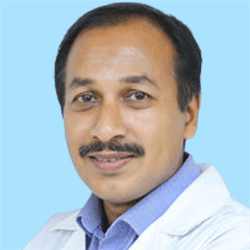
Prof. Dr. A. K. Ahmedullah
MBBS, MD (Internal Medicine), MD (Rheumatology)Medicine & Rheumatology SpecialistAssistant Professor,

Dr. Md. Bashir Ahammed Khan
MBBS (SSMC), BCS (Health), MS (Neurosurgery, BSMMU), Specially Trained (Turkey,

Dr. A.F.M. Ariful Islam Nobin
MBBS, FCPS (Plastic & Reconstructive Surgery), FCPS (Surgery)Plastic & Aesthetic
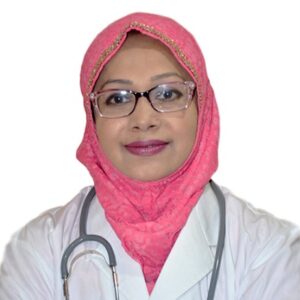
Dr. Rokaya Sultana Ruma
MBBS, MD (Clinical Oncology)Cancer SpecialistAssistant Professor, OncologyBangabandhu Sheikh Mujib Medical
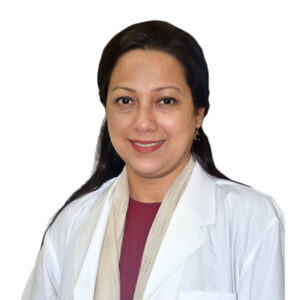
Dr. Shahida Alam Lima
MBBS, FCPS (Radiotherapy)Cancer Specialist & Radiation OncologistAssistant Professor, RadiotherapyNational Institute
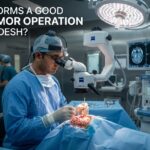
What kind of surgery does a neurosurgeon perform?
Spinal Surgery
Expert neurosurgeons in Dhaka treat complex conditions like spinal stenosis, herniated discs, and spinal cord injuries. Through a combination of open and minimally invasive surgical procedures, they aim to alleviate pain and restore functional mobility. These precise treatments are critical for protecting the nervous system and preventing further neurological decline.
Brain Tumor Surgery
Expert neurosurgeons in Dhaka treat complex conditions like spinal stenosis, herniated discs, and spinal cord injuries. Through a combination of open and minimally invasive surgical procedures, they aim to alleviate pain and restore functional mobility. These precise treatments are critical for protecting the nervous system and preventing further neurological decline.
Microscopic PLID Surgery
Microscopic PLID surgery is an advanced, minimally invasive treatment for Prolapsed Lumbar Intervertebral Discs. By utilizing high-powered operating microscopes, surgeons precisely remove damaged disc material. This modern technique effectively relieves pressure on the lower back while protecting surrounding muscles and nerves, ensuring faster recovery and minimal structural disruption.
ETV Surgery for Hydrocephalus
Endoscopic Third Ventriculostomy (ETV) is an advanced, minimally invasive treatment for hydrocephalus. By creating a small opening to bypass fluid blockages, ETV restores natural cerebrospinal fluid circulation. This innovative procedure provides a shunt-free alternative, effectively reducing intracranial pressure while minimizing the long-term complications associated with artificial implants.
Pediatric Brain Tumors
Pediatric brain tumors involve abnormal cell growth in a child’s brain, ranging from benign to malignant. Treatment and prognosis depend on the tumor’s type, size, and location. In Ludhiana, pediatric neurologists use advanced diagnostics to create tailored plans, ensuring prompt intervention to improve recovery chances and protect vital neurological development.
Spinal Fixation Surgery
Spinal fixation stabilizes the spine by fusing vertebrae using specialized screws, rods, or cages. Typically recommended for instability caused by injury, deformity, or degeneration, this procedure corrects alignment and protects vital nerves. The primary goal is to alleviate chronic pain and restore structural integrity to the spinal column.
Surgery for Stroke – Advanced Surgical Interventions for Stroke Management
Stroke surgery encompasses a sophisticated range of procedures designed to restore cerebral blood flow, alleviate intracranial pressure, and repair compromised vasculature. As a critical medical emergency, stroke requires immediate intervention; for many patients, timely surgery is the definitive factor in saving lives, limiting permanent brain tissue death, and enhancing long-term functional recovery.
Understanding the Pathology of Stroke
A stroke occurs when the brain’s blood supply is interrupted, depriving neurons of essential oxygen and nutrients. This deprivation triggers a rapid “ischemic cascade,” where brain cells begin to die within minutes.
There are two primary classifications that dictate surgical strategy:
Ischemic Stroke: Accounting for the majority of cases, this occurs when a thrombus (clot) or embolus blocks an artery leading to the brain.
Hemorrhagic Stroke: This occurs when a weakened blood vessel ruptures, causing blood to leak into or around the brain tissue, creating toxic pressure.
Critical Indications for Surgical Intervention
While not every stroke patient requires the operating theater, surgery becomes the primary line of defense under specific clinical conditions:
Urgent Revascularization: When a large vessel occlusion prevents blood from reaching a significant portion of the brain.
Decompression: When brain swelling (edema) reaches a point where it threatens to crush healthy tissue against the skull.
Vascular Repair: When a ruptured aneurysm or arteriovenous malformation (AVM) must be sealed to prevent catastrophic re-bleeding.
Secondary Prevention: To stabilize narrowed carotid arteries and prevent a recurrent, potentially fatal event.
Primary Surgical Techniques
1. Mechanical Thrombectomy (For Ischemic Stroke)
This is a revolutionary, minimally invasive endovascular procedure. A neurosurgeon threads a catheter through the femoral artery up to the site of the blockage in the brain. Using a stent retriever or suction device, the surgeon physically removes the clot, immediately restoring perfusion to the oxygen-starved tissue.
2. Decompressive Craniectomy
In cases of severe swelling, the brain has no room to expand within the rigid skull. Surgeons perform a craniectomy—temporarily removing a portion of the bone—to allow the brain to swell safely outward. This life-saving measure prevents brain herniation and fatal pressure buildup.
3. Aneurysm Clipping and Endovascular Coiling (For Hemorrhagic Stroke)
To treat a ruptured vessel, surgeons may use microvascular clipping, where a tiny metal clip is placed across the neck of an aneurysm to stop the bleed. Alternatively, endovascular coiling involves filling the aneurysm with soft platinum wires to induce clotting and seal the leak from the inside.
4. Carotid Endarterectomy
For patients with significant plaque buildup in the neck arteries, surgeons perform an endarterectomy to physically “clean out” the artery. This prophylactic surgery significantly reduces the long-term risk of a future ischemic stroke.


