Top 10 Expert Neurosurgeon in Dhaka: Advanced Care for Brain & Spine
Finding the best neurosurgeon specialist doctor is the most critical step in managing complex conditions affecting the brain, spine, and nervous system. Whether you are seeking treatment for a traumatic injury or a chronic neurological disorder, expert intervention is the key to a successful recovery.
Why Consult a Top Neurosurgeon?
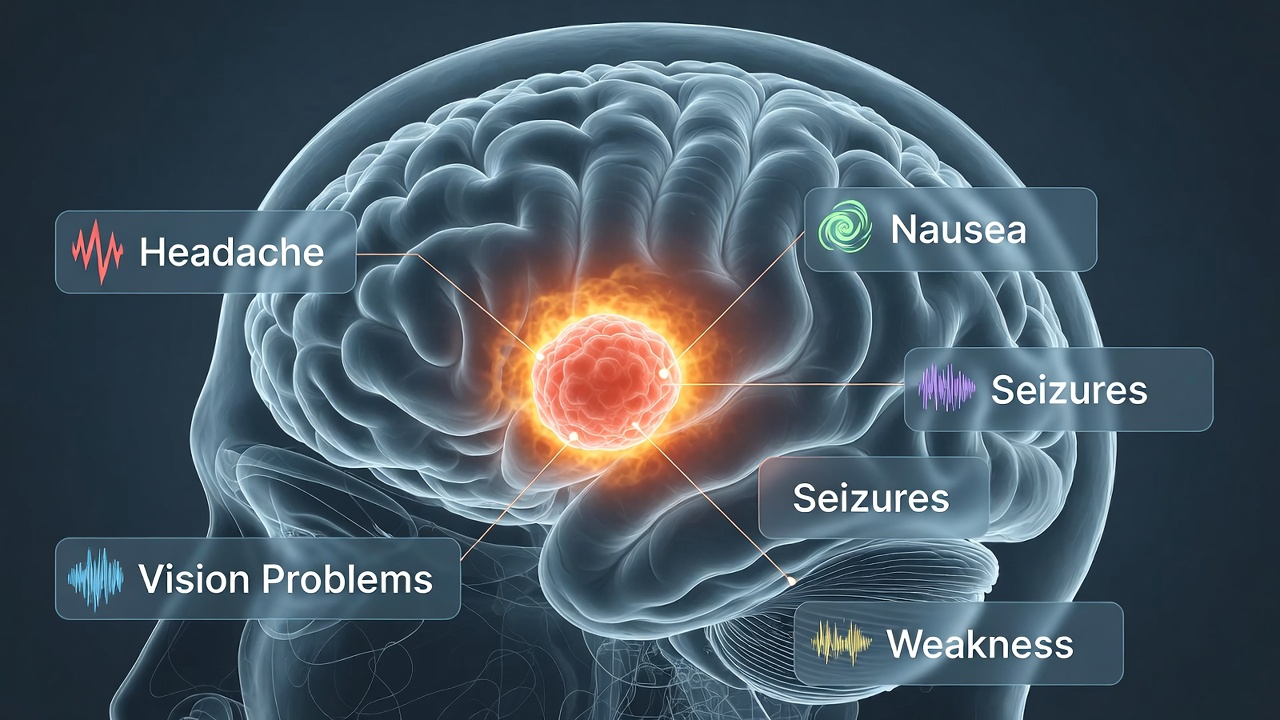
Neurosurgery requires a combination of extreme precision and cutting-edge medical technology. The best neurosurgeons in Dhaka specialize in treating a wide range of conditions, including:
Brain & Spine Tumors: Precision-guided removal and management.
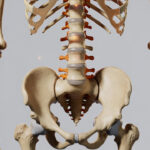
Spinal Disorders: Treatment for herniated discs, spinal stenosis, and chronic back pain.
Traumatic Injuries: Emergency care for head and spinal cord trauma.
Neurological Diseases: Specialized surgery for epilepsy, Parkinson’s, and stroke-related issues.
The Importance of Early Diagnosis
Don’t wait for symptoms to worsen. Early consultation with a skilled neurosurgeon can significantly:
Prevent Complications: Catching issues early reduces the risk of permanent nerve damage.
Minimize Disability: Specialized care lowers the risk of long-term physical impairment.
Enhance Quality of Life: Personalized treatment plans help you return to your daily routine faster.
Why Choose Our Neurosurgical Expertise?
When facing serious neurological challenges, you deserve state-of-the-art surgical procedures and compassionate care. Our approach combines advanced diagnostic tools with personalized recovery plans to ensure every patient receives the highest standard of medical excellence in Dhaka.

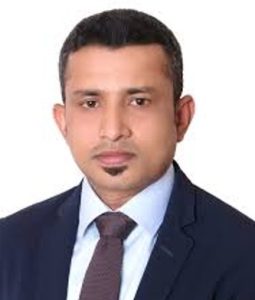
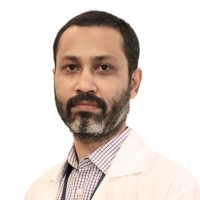
Dr. Md. Rokibul Islam (Rokib) -Brain Tumor Specialist
MBBS (DMC), MS (Neurosurgery), FACS (USA)Advanced Skull-Base Brain Tumor Course

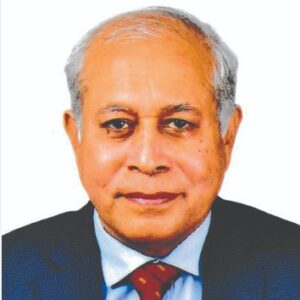
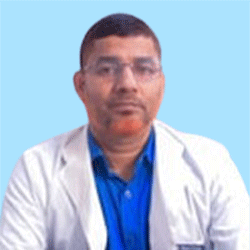
Prof. Dr. Md. Shafiul Alam
MBBS, FCPS (Surgery), MS (Neurosurgery), FICS, FACS (America), MRCPS (Glasgow)Neurosurgery

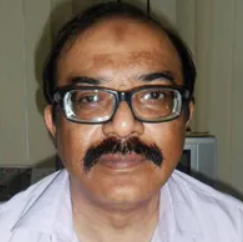
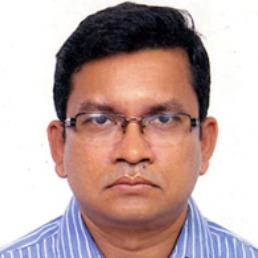
Prof. Dr. SK Sader Hossain
MBBS, FCPS (Surgery), FICS (USA)Training (Micro Neurosurgery, Germany) Neurosurgery (Brain,

Prof. Dr. Kanak Kanti Barua
MBBS, FCPS (Surgery), MS (Neurosurgery), PhD, FICSNeurosurgery (Brain, Stroke, Nerve,

Prof. Dr. Mahboob-E-Haseeb Shahryar Sabet
MBBS, FCPS (Surgery), MD (USA)Neurosurgery (Brain, Nerve, Spine Surgery) SpecialistSenior

Dr. Musannah Ashfaq
MBBS, MS (NEUROSURGERY)Neurosurgery (Brain, Nerve, Spine, Stroke) SpecialistConsultant, NeurosurgeryCrescent Gastroliver

Dr. A.M. Rejaus Satter
MBBS, FCPS (Surgery), MS (Neurosurgery)Neurosurgery (Brain, Nerve, Spine, Spinal Cord

Dr. Md. Omar Faruk
MBBS, BCS(Health), MS (Neurosurgery)Neurosurgery (Brain, Stroke, Nerve & Spine) Specialist

Dr. Kalim Uddin
MBBS, BCS (Health), MS (Neurosurgery)Neurosurgery (Brain Tumor, Stroke & Spine

Dr. Md. Isma Azam (Zico)
MBBS, BCS (Health), FRCS (UK), MS (Neurosurgery)Neurosurgery (Brain, Stroke, Nerve

Dr. Md. Aliuzzaman Joarder
MBBS, MS (Neurosurgery)Neurosurgery (Brain Tumor, Stroke & Spine Surgery) SpecialistSenior

Dr. Md. Rezaul Amin Titu
MBBS, MS (Neurosurgery), FACS (USA)Neurosurgery (Brain, Nerve & Spine) SpecialistAssociate
What kind of surgery does a neurosurgeon perform?
Spinal Surgery
Expert neurosurgeons in Dhaka treat complex conditions like spinal stenosis, herniated discs, and spinal cord injuries. Through a combination of open and minimally invasive surgical procedures, they aim to alleviate pain and restore functional mobility. These precise treatments are critical for protecting the nervous system and preventing further neurological decline.
Brain Tumor Surgery
Expert neurosurgeons in Dhaka treat complex conditions like spinal stenosis, herniated discs, and spinal cord injuries. Through a combination of open and minimally invasive surgical procedures, they aim to alleviate pain and restore functional mobility. These precise treatments are critical for protecting the nervous system and preventing further neurological decline.
Microscopic PLID Surgery
Microscopic PLID surgery is an advanced, minimally invasive treatment for Prolapsed Lumbar Intervertebral Discs. By utilizing high-powered operating microscopes, surgeons precisely remove damaged disc material. This modern technique effectively relieves pressure on the lower back while protecting surrounding muscles and nerves, ensuring faster recovery and minimal structural disruption.
ETV Surgery for Hydrocephalus
Endoscopic Third Ventriculostomy (ETV) is an advanced, minimally invasive treatment for hydrocephalus. By creating a small opening to bypass fluid blockages, ETV restores natural cerebrospinal fluid circulation. This innovative procedure provides a shunt-free alternative, effectively reducing intracranial pressure while minimizing the long-term complications associated with artificial implants.
Pediatric Brain Tumors
Pediatric brain tumors involve abnormal cell growth in a child’s brain, ranging from benign to malignant. Treatment and prognosis depend on the tumor’s type, size, and location. In Ludhiana, pediatric neurologists use advanced diagnostics to create tailored plans, ensuring prompt intervention to improve recovery chances and protect vital neurological development.
Spinal Fixation Surgery
Spinal fixation stabilizes the spine by fusing vertebrae using specialized screws, rods, or cages. Typically recommended for instability caused by injury, deformity, or degeneration, this procedure corrects alignment and protects vital nerves. The primary goal is to alleviate chronic pain and restore structural integrity to the spinal column.
Surgery for Stroke – Advanced Surgical Interventions for Stroke Management
Stroke surgery encompasses a sophisticated range of procedures designed to restore cerebral blood flow, alleviate intracranial pressure, and repair compromised vasculature. As a critical medical emergency, stroke requires immediate intervention; for many patients, timely surgery is the definitive factor in saving lives, limiting permanent brain tissue death, and enhancing long-term functional recovery.
Understanding the Pathology of Stroke
A stroke occurs when the brain’s blood supply is interrupted, depriving neurons of essential oxygen and nutrients. This deprivation triggers a rapid “ischemic cascade,” where brain cells begin to die within minutes.
There are two primary classifications that dictate surgical strategy:
Ischemic Stroke: Accounting for the majority of cases, this occurs when a thrombus (clot) or embolus blocks an artery leading to the brain.
Hemorrhagic Stroke: This occurs when a weakened blood vessel ruptures, causing blood to leak into or around the brain tissue, creating toxic pressure.
Critical Indications for Surgical Intervention
While not every stroke patient requires the operating theater, surgery becomes the primary line of defense under specific clinical conditions:
Urgent Revascularization: When a large vessel occlusion prevents blood from reaching a significant portion of the brain.
Decompression: When brain swelling (edema) reaches a point where it threatens to crush healthy tissue against the skull.
Vascular Repair: When a ruptured aneurysm or arteriovenous malformation (AVM) must be sealed to prevent catastrophic re-bleeding.
Secondary Prevention: To stabilize narrowed carotid arteries and prevent a recurrent, potentially fatal event.
Primary Surgical Techniques
1. Mechanical Thrombectomy (For Ischemic Stroke)
This is a revolutionary, minimally invasive endovascular procedure. A neurosurgeon threads a catheter through the femoral artery up to the site of the blockage in the brain. Using a stent retriever or suction device, the surgeon physically removes the clot, immediately restoring perfusion to the oxygen-starved tissue.
2. Decompressive Craniectomy
In cases of severe swelling, the brain has no room to expand within the rigid skull. Surgeons perform a craniectomy—temporarily removing a portion of the bone—to allow the brain to swell safely outward. This life-saving measure prevents brain herniation and fatal pressure buildup.
3. Aneurysm Clipping and Endovascular Coiling (For Hemorrhagic Stroke)
To treat a ruptured vessel, surgeons may use microvascular clipping, where a tiny metal clip is placed across the neck of an aneurysm to stop the bleed. Alternatively, endovascular coiling involves filling the aneurysm with soft platinum wires to induce clotting and seal the leak from the inside.
4. Carotid Endarterectomy
For patients with significant plaque buildup in the neck arteries, surgeons perform an endarterectomy to physically “clean out” the artery. This prophylactic surgery significantly reduces the long-term risk of a future ischemic stroke.


Pingback: মাথা ব্যথা হলে কি নাপা খাওয়া যাবে? – ব্যবহার, ডোজ, সতর্কতা ও সম্পূর্ণ চিকিৎসা গাইড -
Pingback: পা অবশ হওয়ার কারণ ও প্রতিকার: কেন পা ঝিঁঝিঁ ধরে এবং মুক্তির উপায় কী? -
Pingback: হাত পা অবশ হলে কোন ডাক্তার দেখাতে হবে - একটি বিস্তারিত নির্দেশিকা -
Pingback: ঘুমের মধ্যে হাত-পা অবশ হওয়ার কারণ: পূর্ণাঙ্গ গাইড -